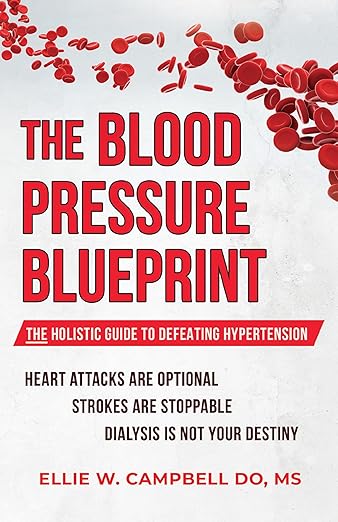
High blood pressure affects millions of adults worldwide, and dietary sodium remains one of the most discussed factors in cardiovascular wellness. These days, it's common to hear about cutting back on salt—whether from your doctor, in articles, or from friends and family. Whether you're exploring low-sodium options for the first time or simply curious about mindful eating, this guide offers practical recipes and organizational strategies. We don't make any health claims or promises; it's a resource for those who want to understand flavor beyond salt and explore what works for them.
Hypertension and blood pressure concerns are increasingly common. Many people look for ways to reduce sodium in their diet—whether as part of a broader lifestyle approach or simply to explore new flavors. This is an informational resource, not a treatment plan.
When cutting back on salt, taste can suffer. This guide explores fresh herbs, spices, and techniques to build satisfying flavor profiles—so low-sodium meals don't feel like a compromise. It's about cooking smarter, not eating bland.
Reducing sodium often means rethinking how you shop and plan meals. The book offers practical meal planning strategies that fit into busy schedules, so you're not scrambling at the last minute or falling back on high-sodium convenience foods.
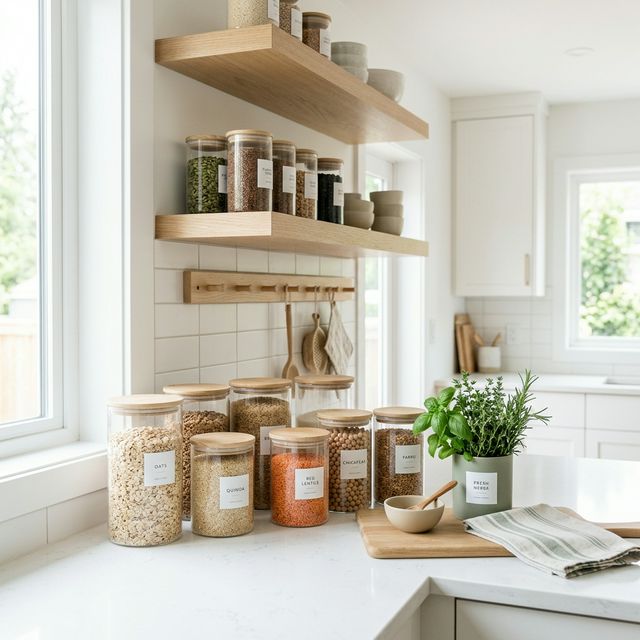
Beyond recipes, the guide touches on kitchen organization and pantry management—helping you keep low-sodium staples on hand and avoid the stress of disorganized cooking. A calm kitchen makes mindful choices easier.
For anyone interested in low-sodium eating—whether due to blood pressure discussions with their doctor, general curiosity, or a desire to cook with less salt—the book provides structure and inspiration. Results depend on many factors; this is one resource among many.
Dishes designed with reduced sodium in mind, using herbs and spices to carry flavor. From weeknight dinners to weekend projects, there's variety for different tastes and skill levels.
A day-by-day framework for easing into low-sodium cooking. Useful for those who prefer structure, though individual outcomes will vary based on lifestyle and other factors.
Longer-term organization tips for keeping your kitchen and meals on track. Helps maintain consistency—something many people struggle with when changing eating habits.
Blood pressure and sodium intake are topics that come up often—in doctor's offices, in the news, and in everyday conversations. This guide isn't a treatment plan or a promise of results. It's a practical resource for people who want to explore low-sodium cooking without feeling overwhelmed. The focus is on sustainable habits: how to plan meals, stock a pantry, and build flavor without relying on salt. Many find that a bit of structure makes the transition easier; others simply enjoy the recipes. Either way, it's about finding what works for you, not following a one-size-fits-all prescription.
Get Your CopyProcessed and restaurant foods are often loaded with sodium—which is why many people watching their blood pressure or simply cutting back on salt turn to home cooking. These sample recipes show what's possible when you lean on herbs, citrus, and technique instead of the salt shaker. No guarantees, just ideas worth trying.
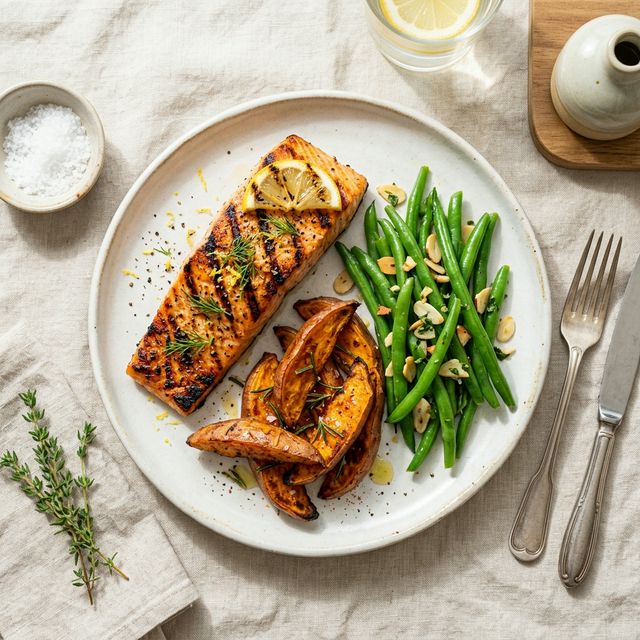
With roasted sweet potatoes and fresh green beans.
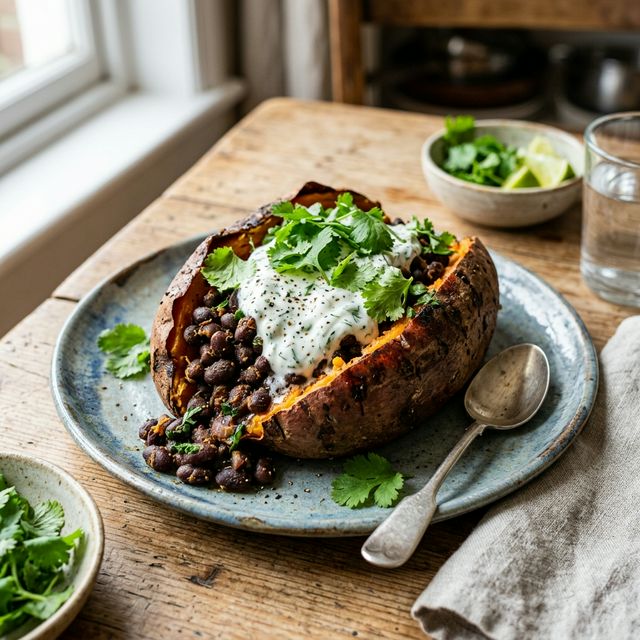
With a dollop of herb-yogurt sauce and fresh cilantro.
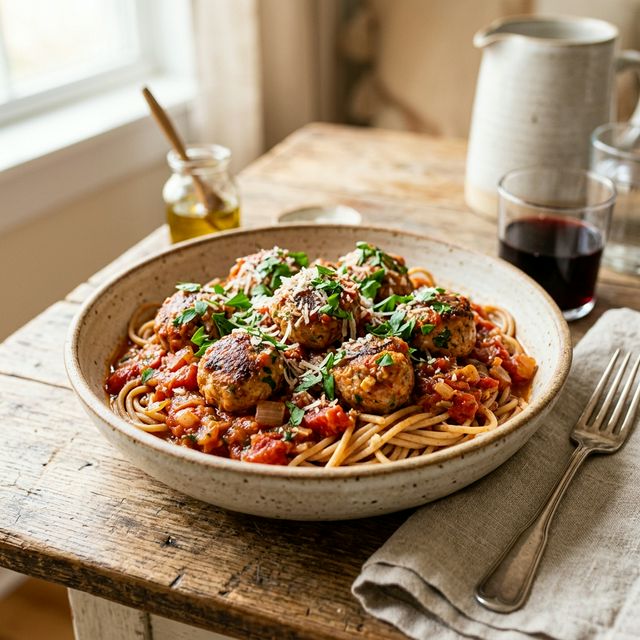
Served over whole-grain pasta with chunky tomato sauce.
No. This cookbook is an informational guide intended for educational purposes only. It does not provide medical advice, diagnosis, or treatment. Always consult with a qualified healthcare professional before making significant changes to your diet.
We do not believe in miracle cures or quick fixes. This guide provides balanced, low-sodium recipes designed to support healthy habits over time through consistent, mindful eating. It's informational content—not a guarantee of any particular outcome. Many factors influence health; diet is just one piece of a larger picture.
This is a general informational resource. For personalized nutritional needs or specific medical conditions, we recommend working directly with a registered dietitian or your primary care physician.
We cannot and do not make any claims about blood pressure outcomes. Sodium reduction is often discussed in the context of cardiovascular health, but individual responses vary widely. This book is an educational resource about low-sodium cooking—not a treatment or cure. If you have hypertension or other health concerns, work with your doctor to determine what's right for you.
Anyone curious about low-sodium eating—whether you've been advised to watch your sodium, you're interested in the topic generally, or you simply want to cook with less salt. The book provides recipes and organizational tips. It does not replace medical advice, and we make no promises about health outcomes.
If you're curious about reducing sodium—whether for blood pressure, general wellness, or simply better-tasting home cooking—this guide offers recipes and practical ideas. No promises, just a resource worth considering.
Order Now on AmazonOther resources on blood pressure and heart-healthy living. We may receive compensation for referrals.